EBOOK DOWNLOAD PDF Positive Covenants and Freehold Land (Download Ebook)
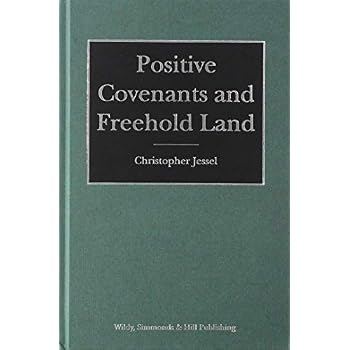
Description of Positive Covenants and Freehold Land
Positive covenants are obligations binding the owner of land for the time being which require some form of action or expenditure such as keeping a roof or wall in repair or paying instalments of service charge over many years. Positive Covenants and Freehold Land concerns the rule of property law that a positive covenant cannot bind successors in title to the original covenantor. It considers the origin of the rule, the legal reasoning behind it, and the historical, social and political context in which it has developed. The book then looks at the various methods to circumvent it by using restrictions on the register of title, estate rentcharges, rights of re-entry, the principle of benefit and burden and the use of long leases as virtual freeholds. A modern structure designed to overcome the problem is the system of commonhold which is currently under review by the Law Commission. The law of easements, particularly in relation to fencing, and the law of nuisance can have the effect of imposing positive obligations on landowners. Statutes can also either require owners to take specified steps such as keeping listed buildings in repair or they can authorise a landowner to enter into obligations as under the Town and Country Planning Act s 106. Separate chapters examine the issues to be considered on assignment of the benefit of positive covenants, on the transfer of land which is subject to the burden of them, and on the way that covenants operate in the management of housing and commercial estates. Reform of the law of positive covenants has been in prospect for over 50 years without any response by Parliament but there is now the possibility of Government support. A chapter is included on issues to be borne in mind in drafting covenants and an examination of the juristic nature of positive covenants and their nature as part of a neighbour relationship. The book also features a number of suggested precedents for the practitioner.
Books are everywhere. Libraries big and small and bookstores are splattered all over college campuses and larger cities. They are all filled with one of the most important things of all time—books. Those who read books appreciate the multiple places to find books. Those who aren’t fans of books, don’t understand what could make readers want to obsess over books. There is a reason for their obsession, though. You hear it all the time: read every day.Reading is important because it develops our thoughts, gives us endless knowledge and lessons to read while keeping our minds active. Reading books to help us learn and understand and makes us smarter, not to mention the knowledge, vocabulary and thinking skills we develop.In the world today where information are abundant, reading books is one of the best ways to be informed. Though reading might seem like simple fun, it can be helping your body and mind without you even realising what is happening. What makes reading so important? It can be for these reasons and not just knowledge.For those who don’t enjoy it, you might change your mind after hearing about the benefits. Can something so easy and fun be so helpful in your life? Of course, it can! Reading can be a great benefit to you in many different ways—such as sharpening your mind, imagination, and writing skills. With so many advantages, it should be an everyday occurrence to read at least a little something.Books can hold and keep all kinds of information, stories, thoughts and feelings unlike anything else in this world. Can words, paragraphs, and fictional worlds be all that great for you and your health? It definitely can, and it is a timeless form of entertainment and information
Step-By Step To Download Positive Covenants and Freehold Land
- Click The Button "DOWNLOAD" Or "READ ONLINE"
- Sign UP registration to access & UNLIMITED BOOKS
- DOWNLOAD as many books as you like (personal use)
- CANCEL the membership at ANY TIME if not satisfied
- Join Over 80.000 & Happy Readers.
OR



No comments:
Post a Comment